Clearwater Battlefield History
In the weeks after the battle at White Bird, General Oliver O. Howard pursued the nimíipuu across the Nez Perce Reservation. On July 11–12, 1877, the two forces clashed at the Clearwater River in a two-day battle that would reshape the entire flight.
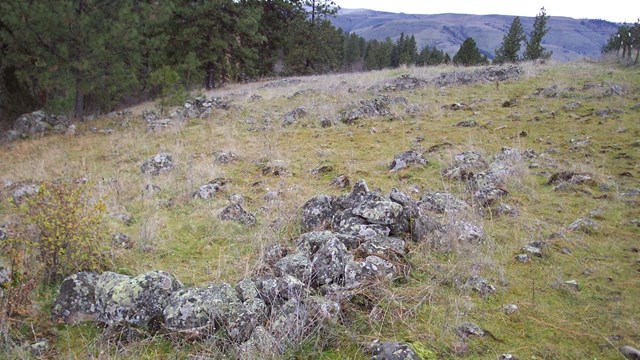
Howard's Attack
General Howard crossed the South Fork of the Clearwater on July 11, hoping to surprise the nimíipuu camp. Alert warriors, however, discovered his approach and immediately positioned themselves to intercept him. The first day of fighting came to a stalemate, despite Howard's attempts to overwhelm the defending warriors.
July 12: Infantry and Artillery
On the second day, Howard deployed infantry, cavalry, and artillery against the nimíipuu position. The warriors fought skillfully, giving ground only when necessary. They knew that holding the line long enough for the families to withdraw was what mattered most. Slowly, the nimíipuu began to withdraw toward Kamiah, and while Howard captured their camp and supplies, he did not aggressively pursue them.
The Decision to Leave
The battle at Clearwater marked a turning point. After regrouping near Kamiah, the non-treaty bands made a historic decision: they would leave the homeland altogether. They turned north and headed for the Lolo Trail, the ancient mountain passage that led east over the Bitterroot Mountains into Montana. This path would take them far from General Howard's reach—and eventually lead them on a desperate 126-day flight that would cover over 1,170 miles.
Note: The battlefield is on private property and is not accessible to the public. A historical marker on Highway 13 south of Stites, Idaho tells the story of the battle.