Roots of Conflict
The complex events leading up to the Nez Perce Flight of 1877 — from two treaties to the forced eviction of those who had never signed.
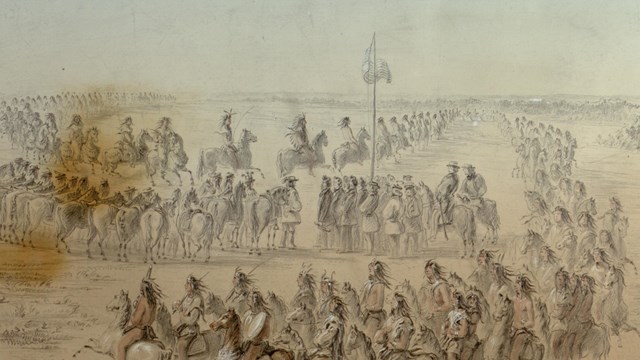
The Treaty Era
The Treaty of 1855 designated a portion of the Nez Perce homeland as a reservation. The Treaty of 1863 reduced it in size by ninety percent.
1855–1863 →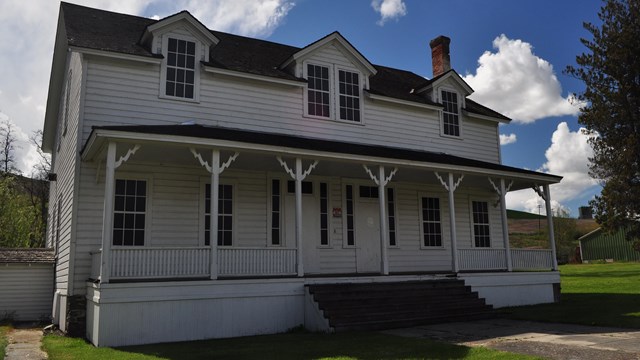
Fort Lapwai
When war broke out in 1877, Fort Lapwai became the center of U.S. Army operations — until the Nez Perce crossed the Bitterroot Mountains.
near Lapwai, ID →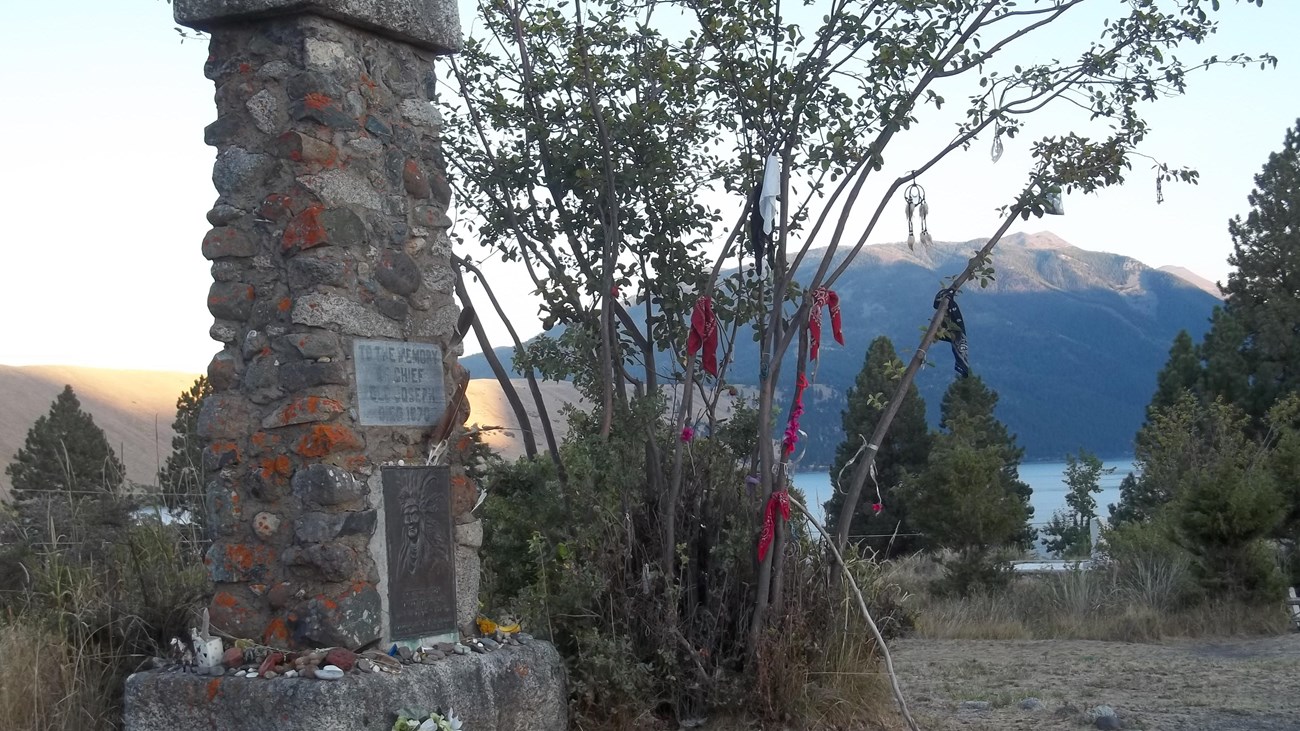
Old Chief Joseph
Tıwi·teqıs — Old Chief Joseph — refused to sell his Wallowa homeland and sign the 1863 Treaty. His remains were reburied here in 1926.
near Joseph, OR →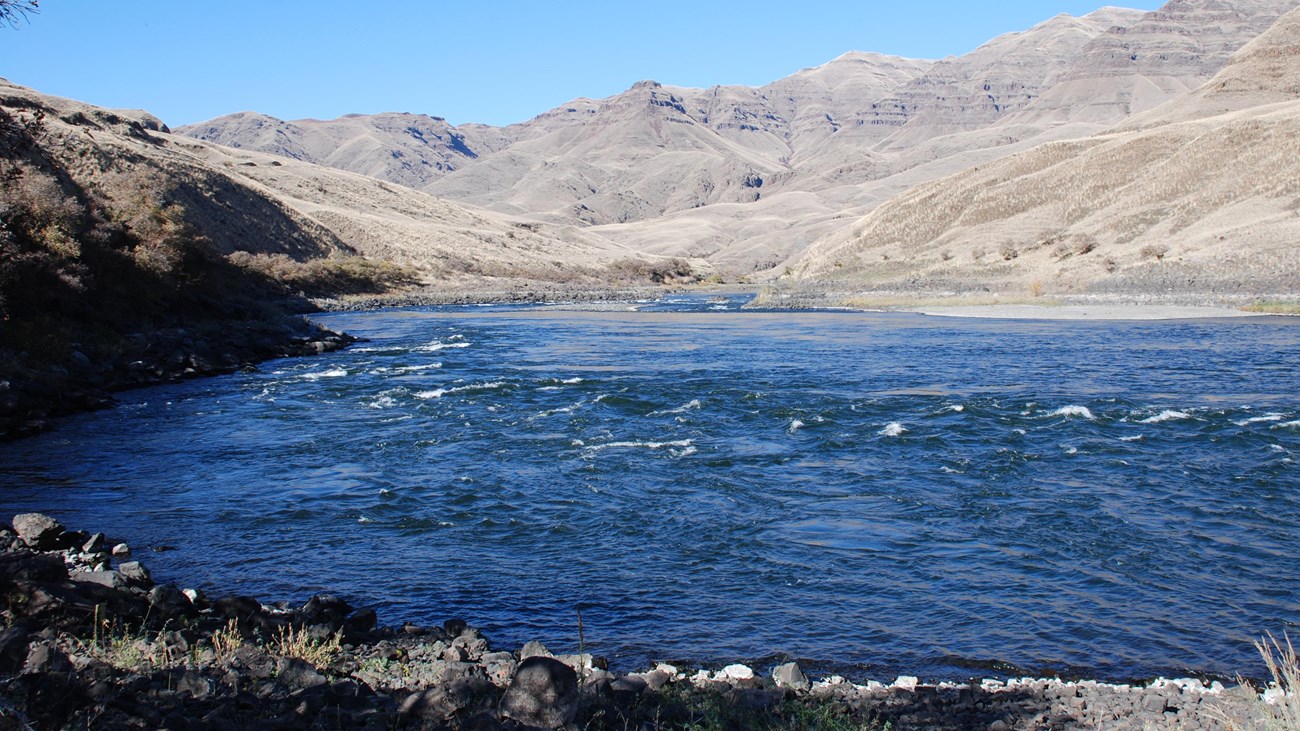
Dug Bar Crossing
On May 31, 1877, Chief Joseph's band crossed the Snake River toward the new reservation, losing several head of cattle in the passage.
May 31, 1877 →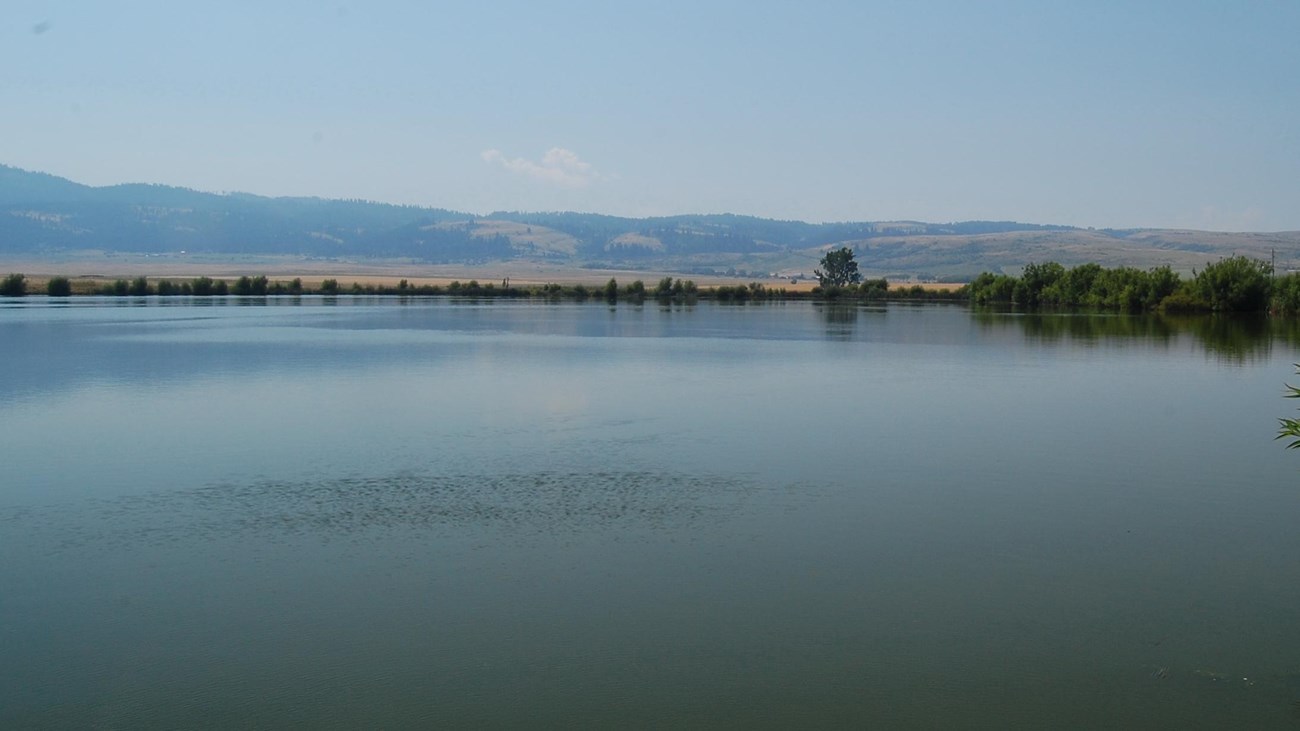
Tolo Lake
When the non-treaty bands gathered on June 2, 1877, three Nez Perce warriors raided homesteads in the area — and the fragile peace broke.
June 2, 1877 →War Breaks Out
Eventually war broke out between the non-treaty Nez Perce and the U.S. Army, forcing a 126-day, 1,170-mile journey through four states. The battles and campsites that followed continue to resonate in the hearts and minds of the Nez Perce today.
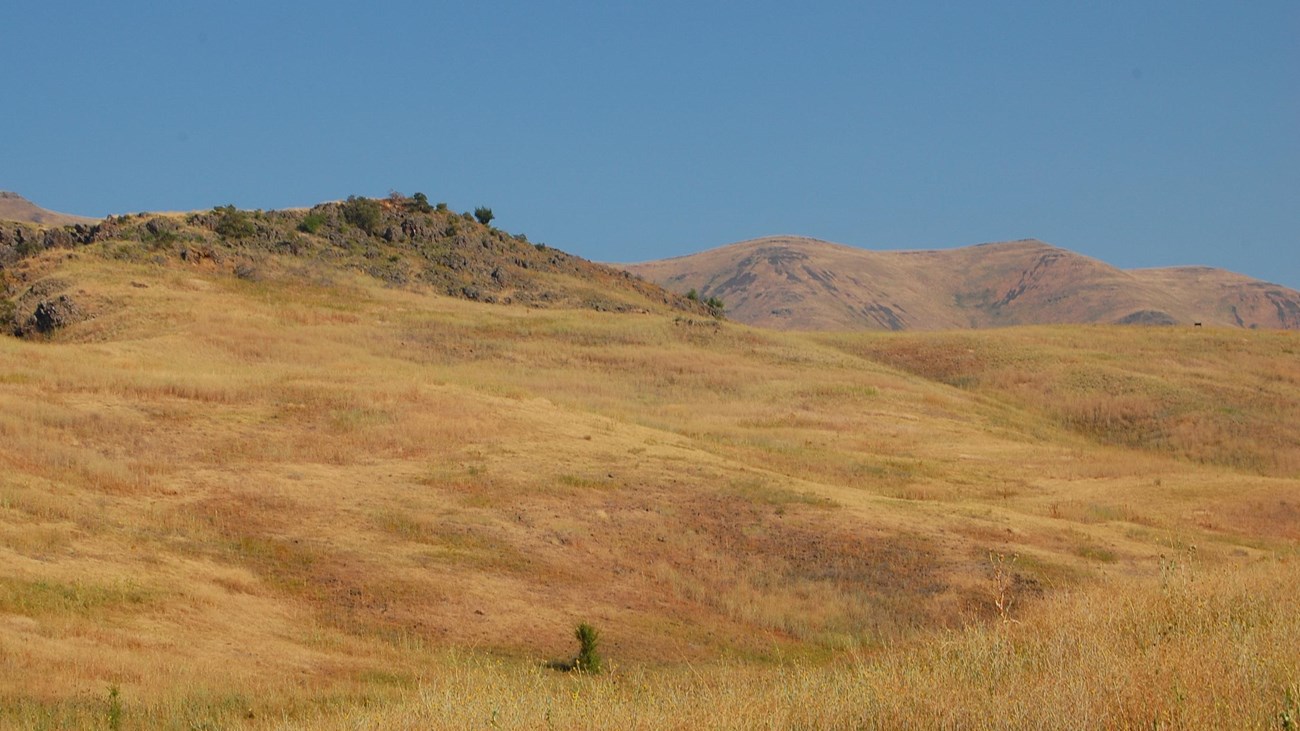
White Bird Battlefield
In the first battle of the Nez Perce War, on June 17, 1877, the Nez Perce defeated the U.S. cavalry and escaped to safety.
June 17, 1877 →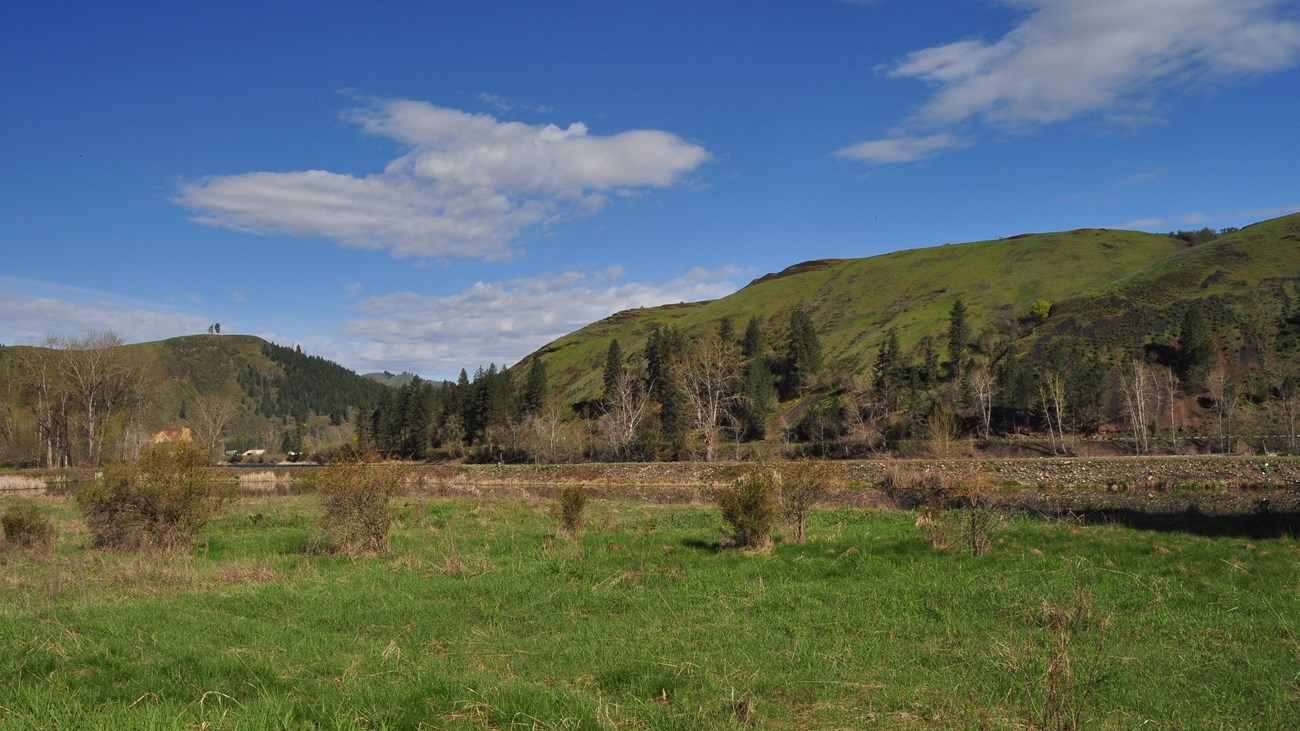
Looking Glass' 1877 Campsite
The Looking Glass Band joined the non-treaty Nez Perce on July 1, 1877, after their village was attacked by the U.S. Army.
July 1, 1877 →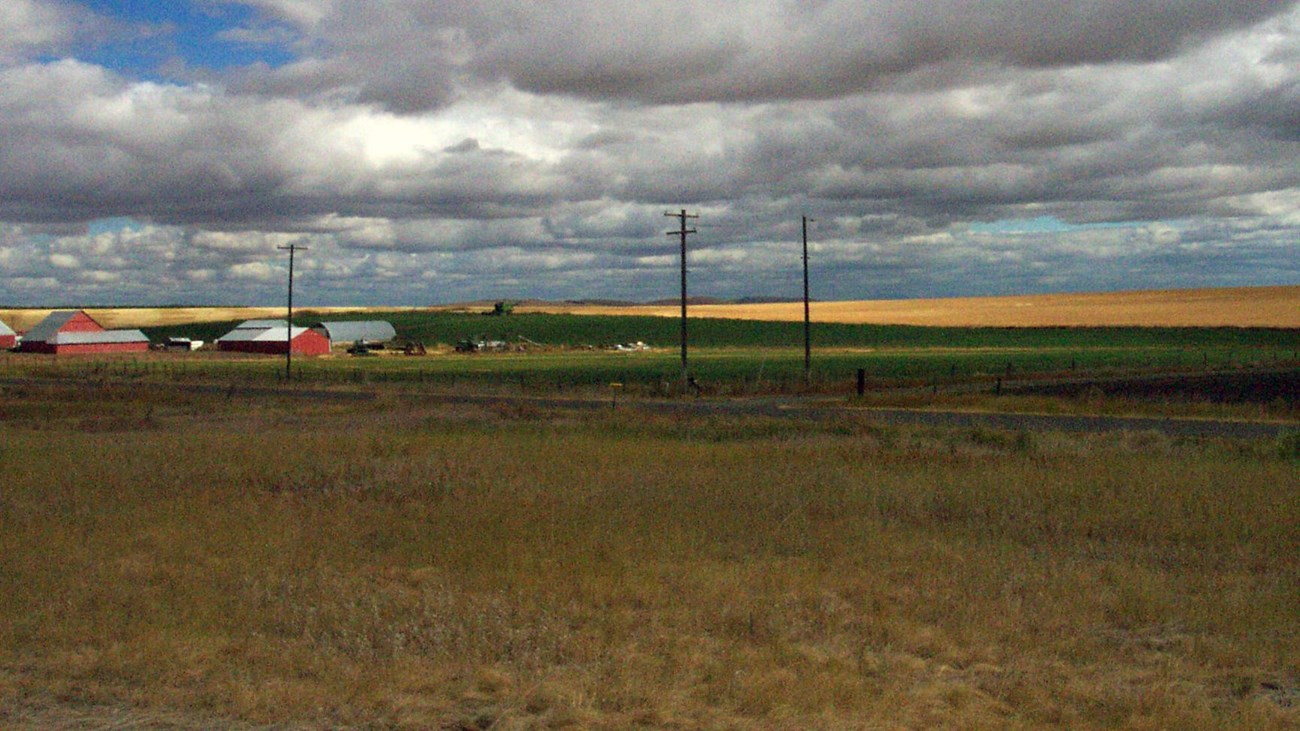
Cottonwood Skirmishes
From July 3–5, 1877, skirmishes took place between the U.S. Army and the Nez Perce on the Camas Prairie.
July 3–5, 1877 →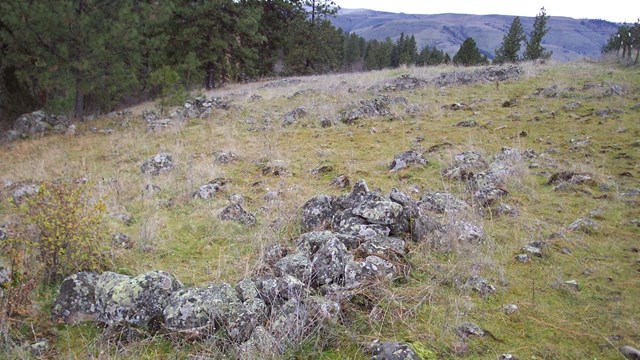
Clearwater Battlefield
After a two-day battle on July 11–12, 1877, the Nez Perce escaped from General Oliver O. Howard's surprise attack.
July 11–12, 1877 →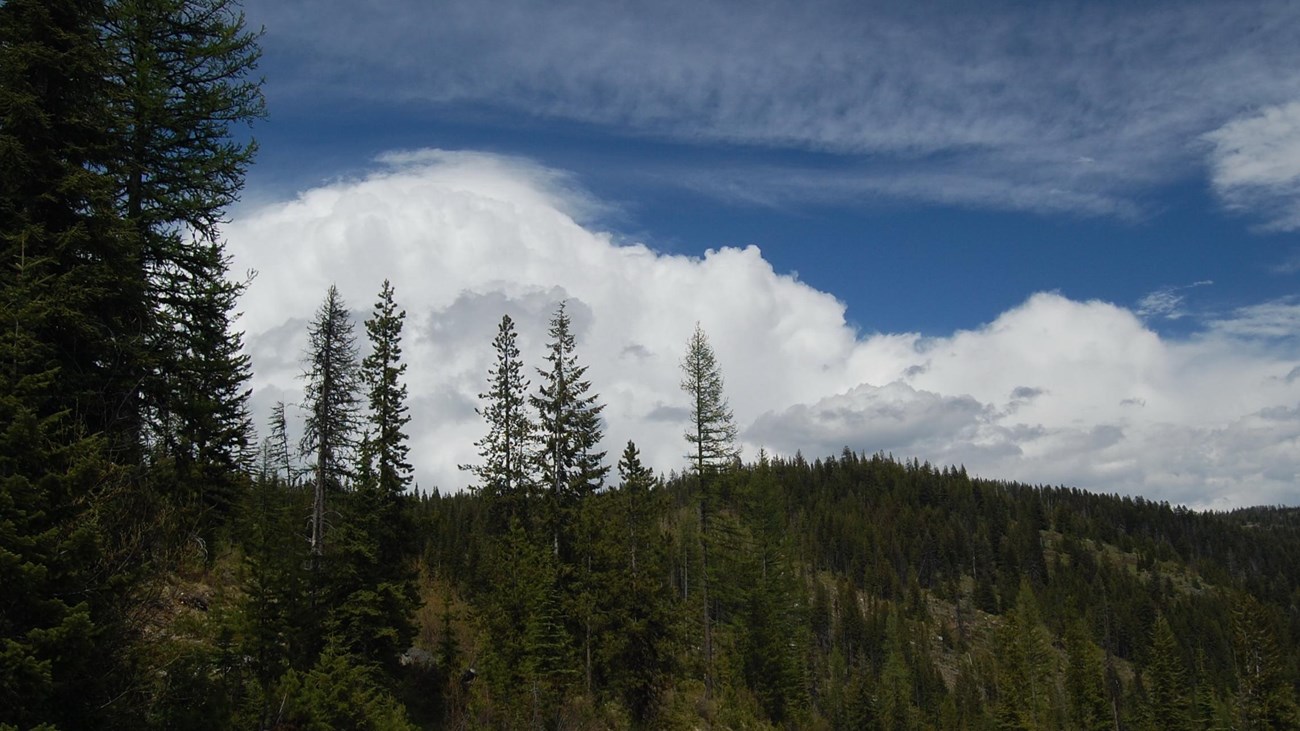
Lolo Trail and Pass
Seeking safety in Montana in late July 1877, the Nez Perce followed the same trail used by Lewis and Clark in 1805 and 1806.
Late July 1877 →
Camas Meadows
On August 20, 1877, Nez Perce warriors ran off more than 200 of the Army's pack horses and mules, halting the Army's advance.
August 20, 1877 →
Canyon Creek
On September 13, 1877, the Nez Perce stopped the pursuing cavalry by firing down from the canyon walls.
September 13, 1877 →
Bear Paw Battlefield
From September 30 to October 5, 1877, the final battle of the Flight took place just forty miles south of the Canadian border.
Sept. 30 – Oct. 5, 1877 →
Aftermath
After Bear Paw, the nimíipuu were separated — some sent to Indian Territory in Oklahoma, others escaping north to Canada.
October 1877 onward →Also Worth Reading
These parts of the story are maintained on the official National Park Service sites for Big Hole and Yellowstone. We link rather than duplicate.
Big Hole Battlefield History →
On the morning of August 9, 1877, U.S. troops surprised the Nez Perce, killing 60 to 90 men, women, and children. Big Hole is administered as its own National Park Service unit.
External · nps.govThe Flight Through Yellowstone →
During the thirteen days it took the Nez Perce to cross the nation's first national park, they encountered twenty-five tourists — some more than once.
Suggested Reading
Scholarly studies commissioned by the National Park Service on particular aspects of 1877, available digitally.
Forlorn Hope →
A Study of the Battle of White Bird Canyon and the Beginning of the Nez Perce Indian War.
External · nps.govNez Perce Summer →
The U.S. Army and the Nee-Me-Poo Crisis — Jerome A. Greene's authoritative volume.
External · npshistory.comA Sharp Little Affair →
The Archeology of the Big Hole Battlefield — a detailed site study of the August 1877 engagement.
External · fs.usda.govNez Perce National Historic Trail Bibliography →
The U.S. Forest Service's extensive bibliography of resources related to the 1877 Flight.